
18 February 2026
Lower back pain that radiates down your leg can be frightening and exhausting. If you are searching for a sciatica treatment doctor, chances are you are experiencing sharp, shooting pain, tingling, numbness, or weakness that is affecting your daily life.
Sciatica is one of the most common nerve-related conditions worldwide. The good news? With the right medical guidance and timely care, most people recover successfully.
This comprehensive guide will help you understand what sciatica is, its causes, symptoms, and treatment options, and how a qualified sciatica treatment doctor can help you regain a pain-free life.
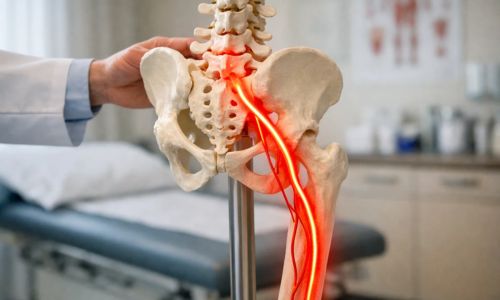
Sciatica is not a disease but a symptom of an underlying spinal problem. It occurs when the sciatic nerve — the largest nerve in the human body—becomes compressed or irritated.
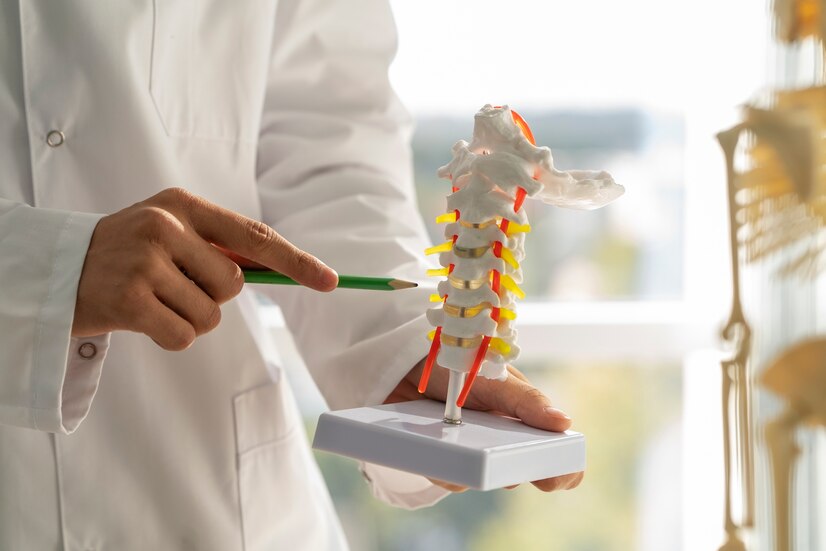
The sciatic nerve originates in the lower spine (lumbar region), passes through the hips and buttocks, and travels down each leg. When pressure is applied to this nerve, it causes pain that radiates along its pathway.
Unlike general lower back pain, sciatica typically affects one side of the body and extends from the lower back to the leg, sometimes reaching the foot.
A sciatica treatment doctor typically evaluates patients who report:
In severe cases, patients may experience loss of bladder or bowel control, which requires immediate medical attention.
Understanding the root cause is essential for effective treatment. A sciatica treatment doctor will perform a detailed evaluation to determine what is compressing the nerve.
This is the most common cause. When the soft inner portion of a spinal disc pushes out through its outer layer, it can press against the sciatic nerve.
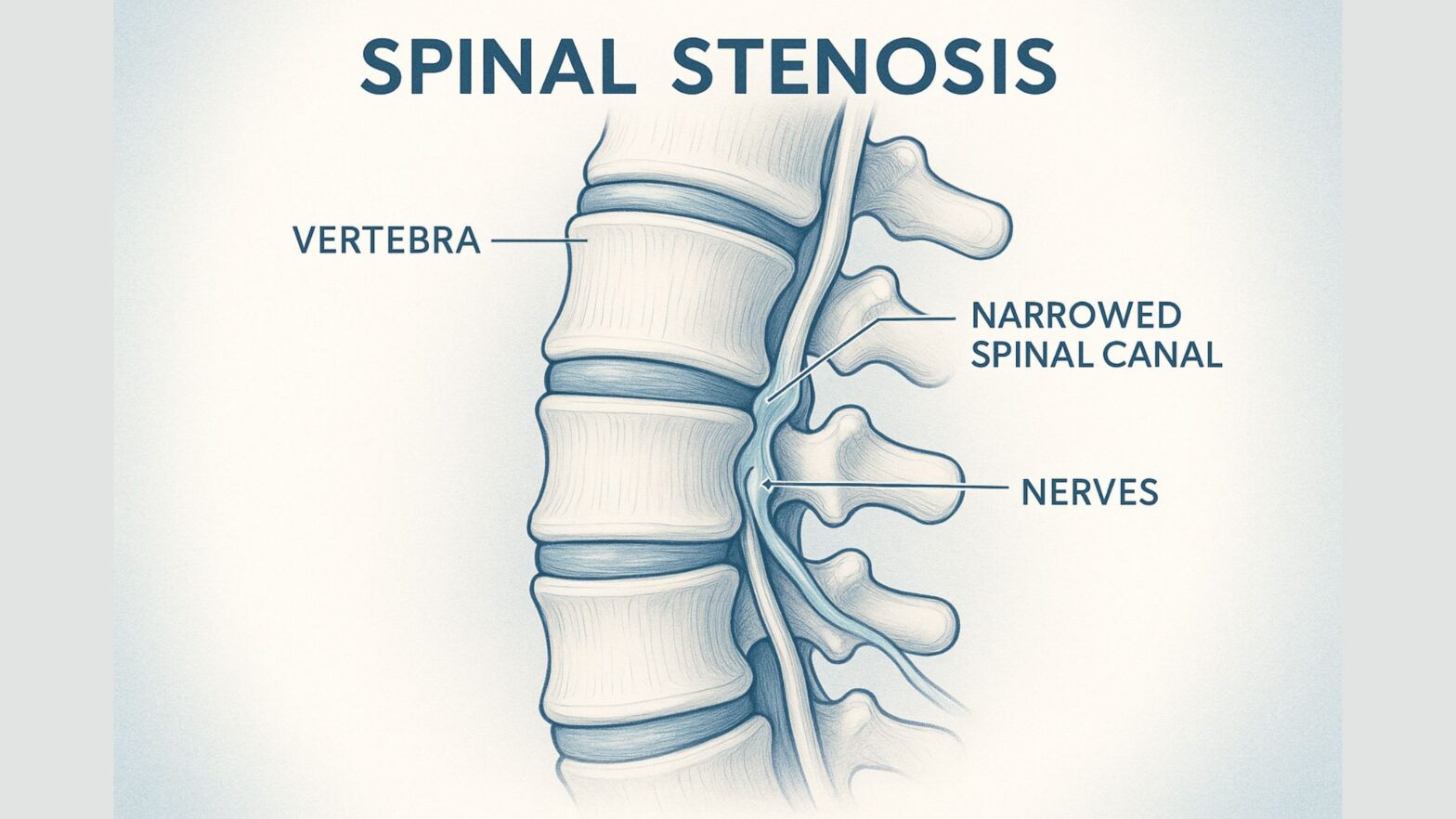
Narrowing of the spinal canal that puts pressure on the nerves.
Age-related wear and tear can reduce disc height and irritate nearby nerves.
When one vertebra slips over another, compressing the nerve.
The piriformis muscle in the buttock irritates the sciatic nerve.
Accidents, falls, or sports injuries may lead to nerve compression.
Mild sciatica may improve within a few weeks with rest and basic care. However, you should consult a sciatica treatment doctor if:
Early diagnosis prevents complications and speeds up recovery.
Several medical professionals may act as a Sciatica Treatment Doctor depending on the severity of your condition:
Specializes in bones, joints, and spine disorders.
Focuses on nerve-related conditions.
Trained specifically in spinal disorders.
Helps manage chronic nerve pain through advanced procedures.
In most cases, treatment begins conservatively and progresses only if necessary.
When you visit a Sciatica Treatment Doctor, the evaluation usually includes:
If needed, imaging tests may be recommended:
MRI is often the most helpful test for identifying herniated discs or nerve compression.
The majority of sciatica cases do not require surgery. A Sciatica Treatment Doctor usually begins with conservative treatment.
Commonly prescribed medicines include:
These help reduce inflammation and control discomfort.
Physical therapy is a cornerstone of sciatica treatment. It includes:
Strengthening the muscles that support your spine reduces pressure on the sciatic nerve.
If pain is severe and persistent, your Sciatica Treatment Doctor may recommend an epidural steroid injection.
This involves injecting anti-inflammatory medication near the affected nerve to reduce swelling and relieve pain. Relief may last weeks to months.
Simple changes can significantly improve recovery:
Consistency in these habits reduces recurrence.
Surgery is considered only when:
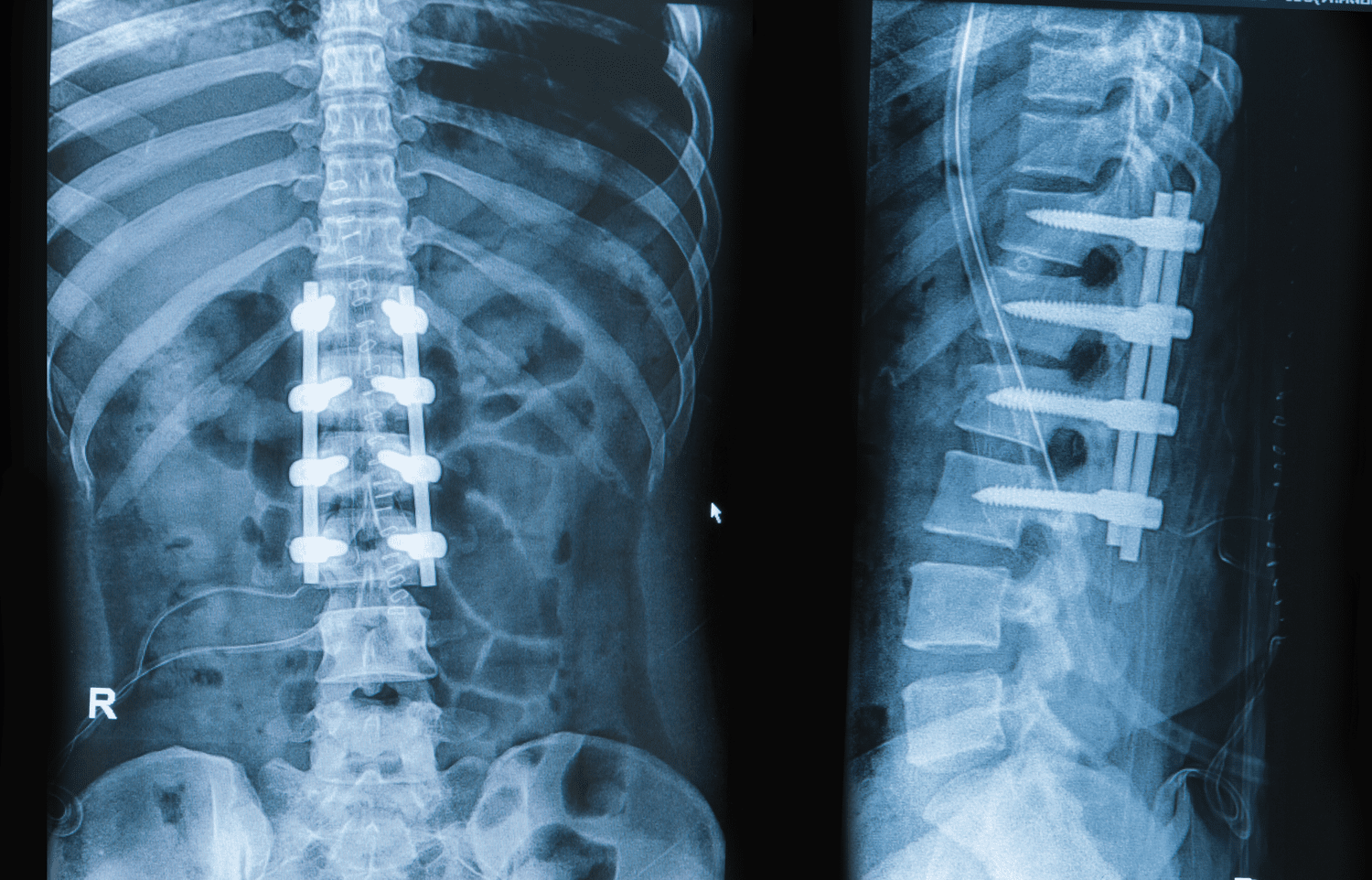
Common surgical procedures include:
Removal of the portion of the herniated disc pressing on the nerve.
Removal of part of the vertebra to create more space for the nerve.
Modern spine surgeries are minimally invasive, allowing faster recovery and reduced hospital stay.
A skilled Sciatica Treatment Doctor will recommend surgery only when absolutely necessary.
Recovery depends on several factors:
Mild cases improve within 4–6 weeks. Chronic cases may take longer. Following your doctor’s advice ensures long-term relief.
Delaying treatment can result in:
Early consultation with a Sciatica Treatment Doctor prevents complications.
Individuals who sit for extended periods are at a higher risk. If you work in a corporate or IT environment:
Proper ergonomics protect your spine.
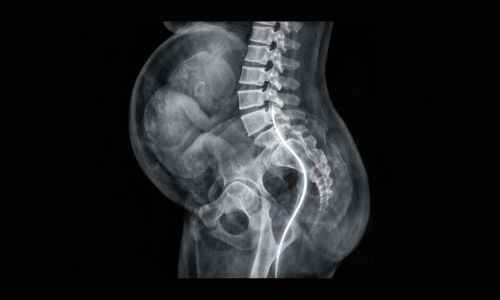
Pregnancy can increase pressure on the sciatic nerve due to:
A sciatica treatment doctor will recommend safe exercises and supportive measures tailored for pregnant women.
Never ignore severe leg pain during pregnancy.
Prevention focuses on strengthening and spine health:
Prevention is always better than treatment.
Chronic pain affects more than the body. It may cause:
A compassionate Sciatica Treatment Doctor understands the emotional burden and may recommend holistic pain management strategies.
When selecting a specialist, consider:
Trust and clarity are essential for successful recovery.
Can sciatica heal on its own?
Yes, mild cases often improve within weeks with conservative care.
Is walking good for sciatica?
Gentle walking helps improve circulation and reduce stiffness.
Is bed rest recommended?
Prolonged bed rest can worsen symptoms. Controlled activity is better.
Can sciatica return?
Yes, if preventive measures are not followed.
Sciatica pain can disrupt your daily routine, affect your sleep, and reduce your quality of life. However, it is highly treatable with proper medical guidance.
If you are experiencing persistent lower back and leg pain, consult a qualified Sciatica Treatment Doctor without delay. Early diagnosis, personalized treatment, and lifestyle adjustments can help you regain mobility and live pain-free.
Your spine supports you every day. Give it the care it deserves.