
29 January 2026
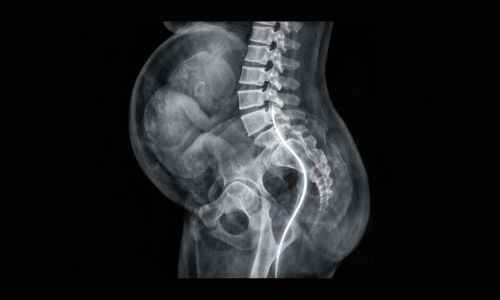
Pregnancy is a beautiful journey, but it often comes with physical discomfort that can affect a woman’s daily life. One such common and distressing problem is sciatic nerve pain during pregnancy. Many expectant mothers experience sharp, shooting pain radiating from the lower back to the buttocks, thighs, and sometimes down to the feet. This pain can make simple activities, such as walking, sitting, or sleeping, extremely uncomfortable.
Understanding the cause of sciatic pain during pregnancy and knowing how to manage it safely is crucial—for both mother and baby. In this blog, we’ll explore why sciatic nerve pain occurs during pregnancy, safe ways to relieve it, and when to consult a spine specialist.
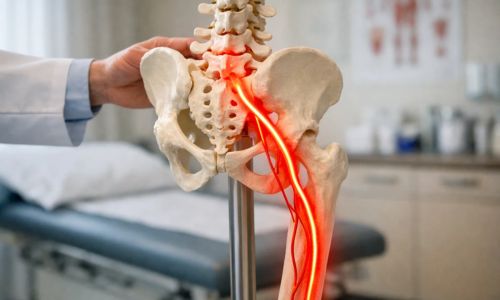
The sciatic nerve is the longest in the human body. It originates in the lower spine, passes through the pelvis and buttocks, and travels down each leg. When this nerve gets compressed or irritated, it leads to sciatica, causing pain, tingling, numbness, or weakness along the nerve pathway.
During pregnancy, sciatic pain is quite common—especially in the second and third trimesters.
Several pregnancy-related changes can contribute to sciatic nerve pain:
As the baby grows, the center of gravity shifts forward. This alters spinal posture and increases stress on the lower back, potentially compressing the sciatic nerve.
The hormone relaxin, released during pregnancy, loosens ligaments around the pelvis to prepare for childbirth. While essential, this ligament laxity can destabilize the spine and irritate nearby nerves.
The expanding uterus can press directly on the sciatic nerve, especially when lying down or sitting for long periods.
Tight piriformis or lower back muscles can compress the sciatic nerve, worsening pain.
If symptoms are severe or progressively worsening, medical evaluation is essential.
Relieving sciatic pain during pregnancy requires non-invasive, baby-safe approaches. Below are effective methods recommended by spine specialists:
Good posture significantly reduces pressure on the spine.
Tips:
Gentle stretching helps relieve muscle tightness and nerve compression.
Effective stretches include:
Always consult your doctor or physiotherapist before starting exercises.
Sleeping posture plays a major role in sciatic pain relief.
Best practices:
Apply for 10–to 15–minute sessions at a time. Avoid excessive heat.
A trained physiotherapist can design a pregnancy-safe rehabilitation plan to reduce pain and improve mobility.
Benefits include:
Remaining in one position increases nerve pressure.
What helps:
Flat, cushioned footwear helps maintain spinal alignment and reduces stress on the lower back.
Avoid:
When done by a trained professional, prenatal massage can:
A maternity belt helps redistribute abdominal weight and reduce strain on the lower spine and pelvis.
Painkillers or anti-inflammatory medications should never be taken without consulting your doctor, as many are unsafe during pregnancy.
While most pregnancy-related sciatic pain improves with conservative care, consult a spine surgeon in Kolkata if you experience:
Early evaluation ensures accurate diagnosis and safe management.
If you’re experiencing pregnancy-related back or sciatic nerve pain, expert evaluation matters.
With a strong focus on non-surgical spine care, pregnancy-safe pain management, and patient-centered treatment, expert guidance can make a significant difference.
Sciatic nerve pain during pregnancy can be uncomfortable, but with the right care, posture, and expert guidance, it is manageable and often temporary. Never ignore persistent pain—early consultation with a spine specialist ensures safety for both mother and baby.
If you’re looking for trusted spine care in Kolkata, expert evaluation can help you enjoy a more comfortable and confident pregnancy journey.