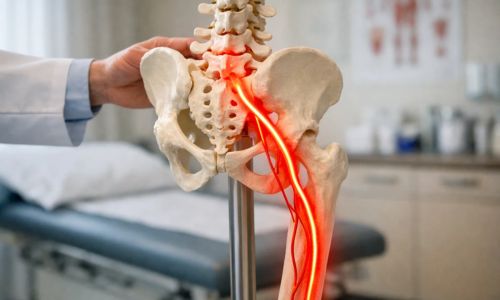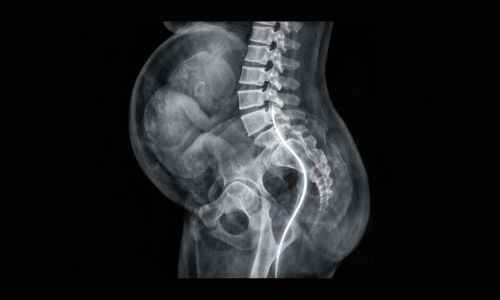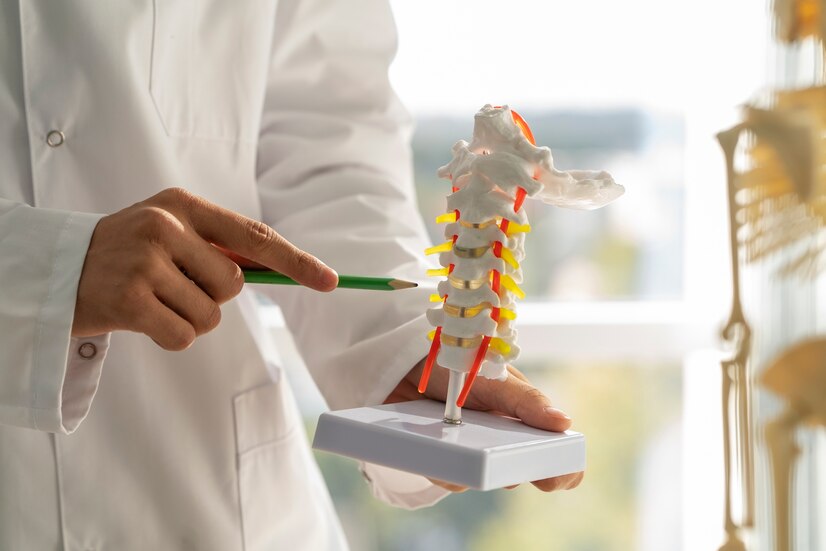
What Causes Spinal Stenosis?
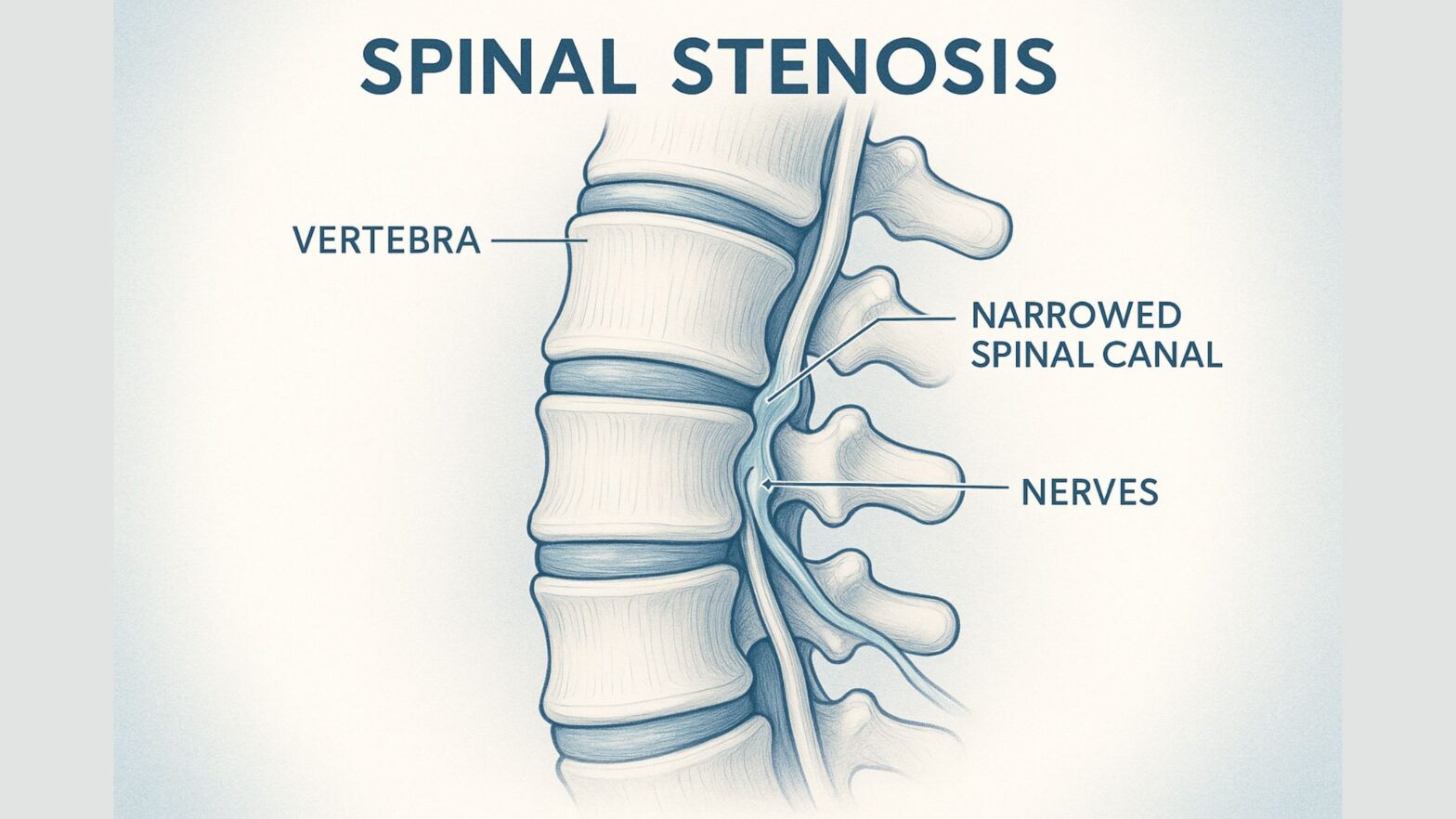
Several factors can contribute to the narrowing of the spinal canal:
1. Age-Related Degeneration
As we grow older, the spine undergoes natural wear and tear. Conditions like osteoarthritis can cause bone spurs that press on spinal nerves.
2. Herniated or Bulging Discs
Discs act as cushions between vertebrae. When they bulge or rupture, the material can press on the nerves.
3. Thickened Ligaments
Ligaments supporting the spine may thicken with age, reducing the space inside the spinal canal.
4. Spinal Injuries
Accidents, falls, or fractures can misalign vertebrae or cause swelling, leading to narrowing.
5. Congenital Spinal Stenosis
Some individuals are born with a naturally narrow spinal canal.
6. Tumours
Though rare, abnormal growths can cause pressure on the spinal canal.
Common Symptoms of Spinal Stenosis
Symptoms vary depending on the severity and location of the stenosis, but some commonly reported signs include:
Lumbar Stenosis Symptoms
-
Lower back pain
-
Tingling or numbness in legs or feet
-
Weakness in legs
-
Difficulty standing or walking
-
Pain relief when bending forward or sitting
Cervical Stenosis Symptoms
-
Neck pain
-
Numbness in hands or arms
-
Difficulty with balance
-
Weak grip strength
-
In severe cases: bladder or bowel dysfunction
If you notice these symptoms, consulting a spine surgeon in West Bengal at the earliest is recommended, as early treatment can prevent permanent nerve damage.
How is Spinal Stenosis Diagnosed?
Accurate diagnosis is crucial for effective treatment. Spine surgeons typically use:
1. Physical Examination
To check flexibility, strength, and reflexes.
2. Imaging Tests
-
X-ray: Identifies bone-related issues
-
MRI: Shows soft tissues, discs, nerves
-
CT Scan: Combines X-ray with computer technology
-
Electromyography (EMG): Evaluates nerve function
A combination of these tests helps determine the exact cause and severity of the compression.
Treatment Options for Spinal Stenosis
Treatment depends on the symptoms, age, overall health, and severity of the condition. It can be categorized into non-surgical and surgical methods.
Non-Surgical Treatment Options
1. Medications
-
Anti-inflammatory drugs
-
Pain relievers
-
Muscle relaxants
-
Steroid injections to reduce nerve inflammation
2. Physiotherapy
A structured therapy plan helps strengthen the muscles around the spine, improve flexibility, and reduce pain.
3. Lifestyle Changes
-
Avoid heavy lifting
-
Maintain a healthy weight
-
Practice posture correction
-
Use lumbar support while sitting
4. Heat and Ice Therapy
Useful for mild-to-moderate pain relief.
5. Epidural Steroid Injections
These injections reduce inflammation and can provide temporary relief.
When Do You Need Surgery?
If non-surgical treatments fail or symptoms worsen, surgery may be required. Surgery aims to relieve pressure on the spinal nerves.
A spine surgeon in West Bengal may recommend surgery if you experience:
-
Persistent pain affecting daily activities
-
Loss of sensation
-
Severe weakness in legs or arms
-
Difficulty walking even short distances
-
Bowel or bladder problems
Types of Spinal Stenosis Surgery
1. Laminectomy (Decompression Surgery)
Removes part of the vertebra (lamina) to create more space inside the spinal canal.
2. Laminotomy
Partially opens the lamina to reduce nerve pressure.
3. Foraminotomy
Enlarges the opening where nerve roots exit the spine.
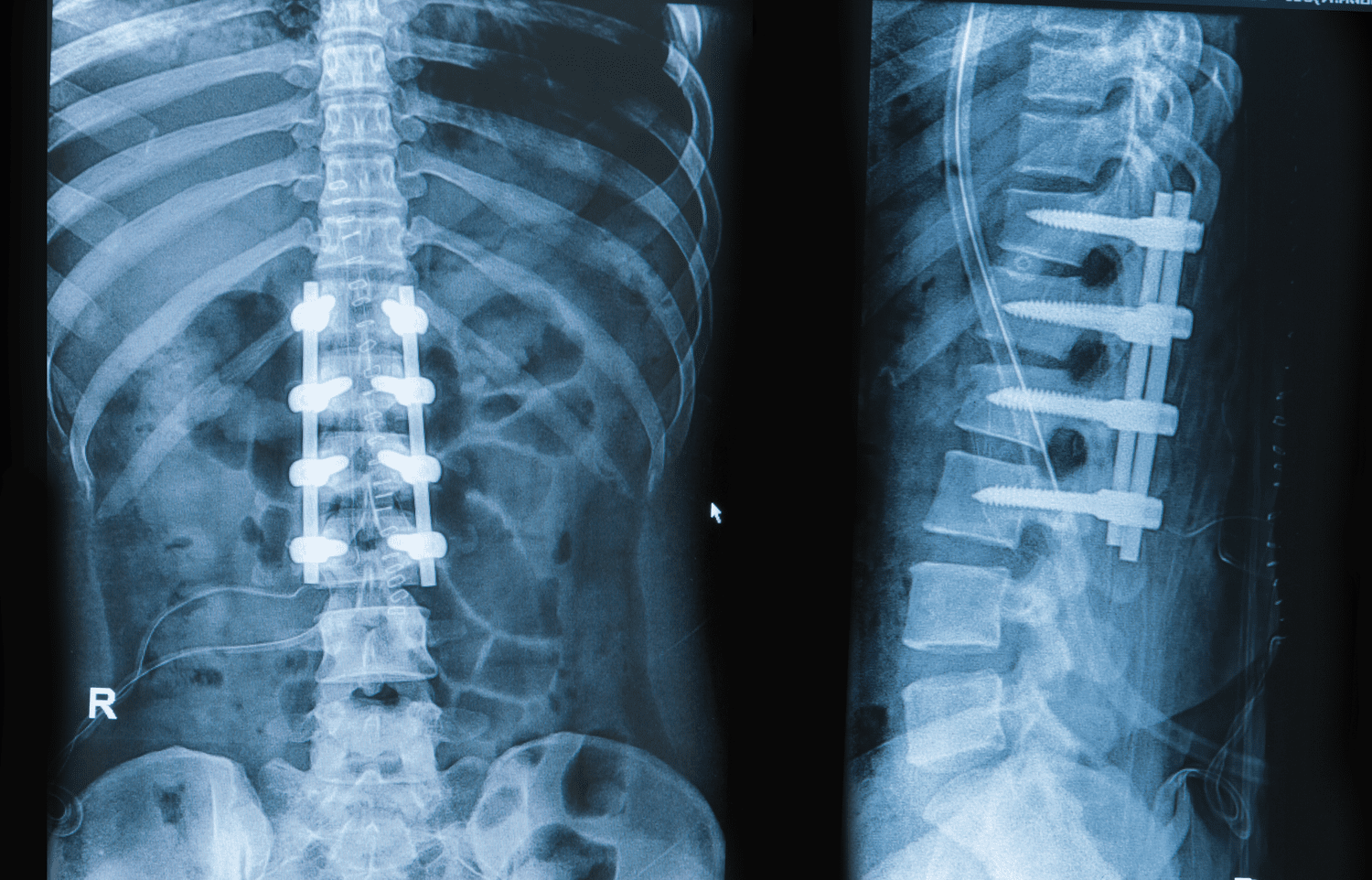
4. Spinal Fusion
Joins two or more vertebrae to stabilize the spine when necessary.
5. Minimally Invasive Spine Surgery (MISS)
With smaller incisions, less blood loss, faster recovery & minimal pain.
West Bengal now offers advanced minimally invasive spinal procedures, often recommended for patients who require a quick recovery with less discomfort.
Recovery & Post-Surgery Care
Recovery varies from patient to patient but generally includes:
-
Rest for the initial weeks
-
Physiotherapy for mobility and strength
-
Avoiding heavy lifting for 3–4 months
-
Regular follow-ups with your spine surgeon
-
Maintaining a good posture and healthy weight
With modern surgical techniques, many patients return to normal activities within weeks.
How to Choose the Right Spine Surgeon in West Bengal
When dealing with spinal stenosis, choosing a skilled and experienced doctor is crucial. Look for:
-
Board-certified spine specialists
-
Experience in minimally invasive spine surgeries
-
Positive patient reviews
-
Availability of advanced diagnostic facilities
-
Clear communication and patient-centered approach
A trusted Spine Surgeon in West Bengal will evaluate your condition thoroughly and recommend the best treatment tailored to your needs.
Spinal stenosis can significantly affect your quality of life, but timely diagnosis and proper treatment can help you regain mobility and lead a pain-free life. Whether your condition requires medications, physiotherapy, or surgical intervention, consulting a qualified Spine Surgeon in West Bengal is essential to ensure the best possible care.
If you need help writing meta descriptions, GMB content, YouTube script, or social media captions for this hospital/clinic—say the word!